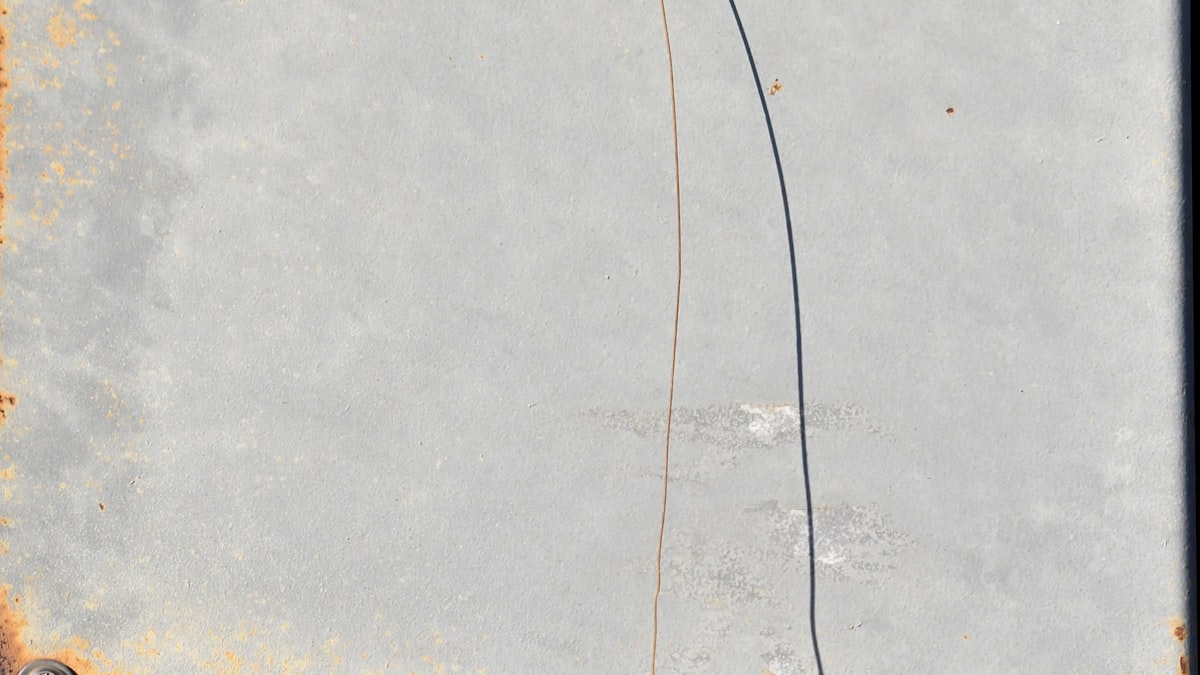
Every powder coater has seen it happen. A beautifully coated product leaves the shop looking perfect, only to come back weeks or months later with peeling, blistering, or rust bleeding through the finish. The cause, in the vast majority of cases, is the same: inadequate surface pretreatment. Skipping phosphating before powder coating is not a cost saving — it is a guarantee of premature failure.
What Happens Without Phosphating
When you powder coat directly onto bare, unprepared metal, several things go wrong:
Poor Adhesion
Bare steel, even if it looks clean, has microscopic contaminants: oils from manufacturing, fingerprints from handling, invisible oxide layers, and residual lubricants. These contaminants act as a release layer between the metal and the powder coating. The coating may look fine immediately after curing, but the bond is weak.
Subject the coated part to any stress — an impact, thermal expansion and contraction through day-night temperature cycles, or even just the passage of time — and the coating separates from the metal. It may start at an edge, a weld seam, or a scratch, then spread outward as moisture works its way under the film.
Underfilm Corrosion
Even properly adhered powder coating is not a perfect moisture barrier. All organic coatings have a finite permeability — water vapour molecules can slowly diffuse through the film. On a properly phosphated surface, this moisture encounters the conversion coating, which resists corrosion. On bare metal, it encounters unprotected steel, and corrosion begins immediately.
This underfilm corrosion is insidious because it is invisible until it becomes severe. By the time you see rust spots or blisters on the surface, the corrosion underneath has often spread over a much larger area than what is visible. Repairing underfilm corrosion means stripping the coating, treating the corrosion, and recoating — an expensive and time-consuming process.
Blistering
Blistering occurs when gases or moisture become trapped between the coating and the metal surface. On unprepared surfaces, residual oils and moisture flash off during the curing process (typically 180 to 200 degrees Celsius), creating gas pockets under the coating film. These pockets may be invisible at first but become apparent as blisters over time, especially in humid environments.
A phosphate conversion coating is porous enough to absorb small amounts of gas during curing, preventing blister formation. Without it, the smooth metal surface traps these gases directly under the coating.
The Role of Phosphate Conversion Coatings
A phosphate conversion coating serves three critical functions in the powder coating system:
1. Surface Cleaning
The phosphating process (especially 3-in-1 formulations) actively cleans the metal surface. Oils are emulsified and removed, rust is dissolved, and the surface is left chemically clean. This eliminates the contaminants that would otherwise compromise adhesion.
2. Mechanical Keying
The phosphate crystal layer creates a micro-rough topography on the metal surface. This roughness dramatically increases the effective surface area and provides mechanical anchor points for the powder coating. The coating physically locks into the crystal structure, creating a bond that is much stronger than the chemical adhesion alone.
3. Corrosion Barrier
The phosphate layer is itself resistant to corrosion. It acts as a secondary line of defence between the coating and the metal. If moisture penetrates the powder coating, it must also penetrate the phosphate layer before reaching the reactive steel underneath. This secondary barrier adds years to the service life of the coated product.
IS 101 Testing Standards
The Bureau of Indian Standards specifies testing methods for painted and coated surfaces under IS 101. The most relevant tests for powder coaters are:
Cross-Hatch Adhesion Test
A grid pattern is cut through the coating to the metal surface using a specified blade. Adhesive tape is pressed firmly over the grid and then pulled off. The percentage of coating that remains indicates the adhesion grade. Properly phosphated parts consistently achieve Grade 0 (no detachment) or Grade 1 (less than 5 percent detachment). Parts without pretreatment frequently show Grade 3 or worse (15 to 35 percent detachment), which is unacceptable for any quality specification.
Bend Test
A coated panel is bent over a mandrel of specified diameter. The coating is then examined for cracking, flaking, or delamination. Phosphated parts maintain coating integrity through severe bends. Non-pretreated parts typically show cracking and peeling at the bend point.
Salt Spray Test
Coated panels are scribed (a deliberate scratch through to the metal) and exposed to a salt fog in a controlled chamber. The test measures how far corrosion creeps from the scribe line under the coating. Phosphated parts show minimal creep even after hundreds of hours. Non-pretreated parts show extensive undercutting within 48 to 96 hours.
Real-World Failure Scenarios
The consequences of skipping pretreatment are not just theoretical. Here are common real-world failures we see:
Exterior railings and gates: Powder coated without pretreatment, these start showing rust at welds and edges within one monsoon season. The customer sees rust on what was supposed to be a "permanent" finish and loses confidence in powder coating entirely.
Electrical enclosures: Installed outdoors without pretreated coating. Blistering and peeling begin within months, compromising the enclosure's IP rating and exposing electrical components to moisture.
Furniture frames: Powder coated over oily steel without degreasing or phosphating. The coating chips off at contact points within weeks of normal use. The manufacturer faces warranty claims and customer complaints.
Agricultural equipment: Operated in humid, corrosive environments. Coating fails within one season, leaving the equipment exposed to accelerated rust. Replacement costs far exceed what pretreatment would have cost.
The ROI of Proper Pretreatment
The cost of phosphating is trivial compared to the cost of coating failure. Consider:
- A litre of InstaPhos 3-in-1 Excel, mixed 1:1 with water, treats approximately 13 to 25 square metres of surface
- The material cost works out to a few rupees per square metre
- Application time is 5 to 10 minutes per square metre by brushing
- Total added cost (material plus labour) is a small fraction of the powder coating cost itself
Now compare that to the cost of a coating failure:
- Customer complaint handling and loss of goodwill
- Stripping the failed coating (chemically or by blasting)
- Re-pretreating and re-coating the part
- Shipping or collection costs
- Potential warranty liability
A single coating failure can cost more to rectify than phosphating hundreds of parts. The return on investment for proper pretreatment is not incremental — it is overwhelming.
Make Phosphating Standard Practice
The message is simple: phosphating before powder coating is not optional, it is not a luxury, and it is not something you do only for "premium" work. It is a fundamental step in the powder coating process that should be applied to every part, every time.
Whether you invest in a multi-tank line or keep it simple with a brush-applied 3-in-1 solution, make phosphating a non-negotiable part of your workflow. Your coating quality will improve immediately, your failure rate will drop dramatically, and your reputation as a reliable powder coater will grow.